
Most sports fans believe that skill, strategy, and coaching determine who wins. But a quieter factor influences score lines far more than most people notice — the brand of ball used in competition. Even tiny manufacturing differences create measurable effects on bounce, trajectory, spin, and speed. In the hands of athletes trained in one style of ball, those differences shape win margins at 22Bet online casino.
The Myth of Interchangeability
Many viewers assume every official ball is the same because sporting bodies approve them. They think a change of brand shouldn’t matter. Yet athletes feel the difference instantly. Bounce height, surface texture, air retention, stiffness, and weight distribution vary more than the rulebooks admit. Some teams adapt easily. Others struggle badly.
When Familiarity Becomes Advantage
A team trains with one ball all year. Their muscle memory adapts. Their passing becomes automatic. Their timing becomes instinct. A new ball arrives on game day — their instincts become wrong. That is how matches tilt before they begin.
Why Home Teams Benefit More
Home teams usually train with the same equipment the league uses for matches. Their rhythm aligns with the ball brand. Away teams practice with whatever their club can afford or obtain. A match becomes uneven long before tactics or talent are involved. Familiarity becomes a hidden home-field advantage.
The Role of Texture and Grip
In football, basketball, tennis, volleyball, and rugby, grip defines control. A smoother ball rewards finesse. A rougher surface rewards power. One brand favors long passes and fast play. Another favors control and cautious buildup. Not all teams are built for the same ball — and scorelines reflect it.
Bounce Affects Emotion, Not Just Mechanics
When the ball doesn’t bounce the way a player expects, frustration arrives fast. Missed touches feel personal. Confidence fades. Athletes rush to adjust style mid-game, but panic distorts timing. Across a match, these tiny emotional swings create big statistical consequences.
Why Low-Scoring Sports Feel the Difference More
The effect of ball brands becomes strongest in sports where small margins decide success. In low-scoring sports like soccer, tennis tiebreaks, and defensive basketball, one awkward bounce changes momentum. Higher-scoring sports allow more recovery time. In smaller-score battles, equipment bias decides everything.
Ball Inflation Isn’t Just a Rule: It’s a Strategy
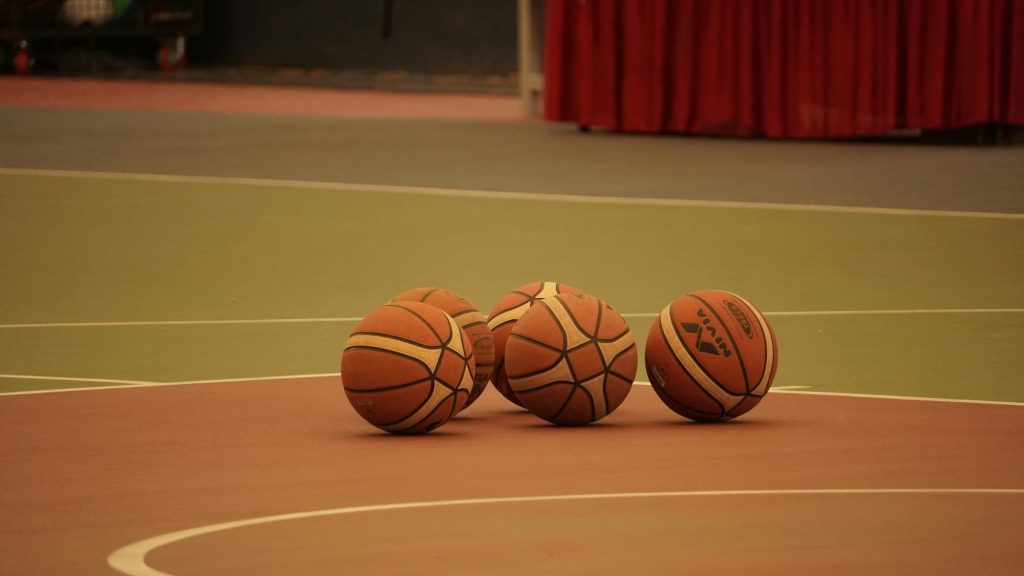
Some leagues allow small variations in PSI (pressure) within legal limits. Those minor changes quietly favor specific styles:
• Higher PSI → faster speed, harsher bounce, more chaos
• Lower PSI → softer play, more control, more physical defense
Coaches and equipment managers understand these patterns and apply them with precision.
Tournament Regulations Aren’t Neutral
Big tournaments often switch brands from year to year because of sponsorship contracts. Teams that regularly compete internationally learn to switch styles fast. Domestic-focused teams struggle. Bettors misread these results as upsets when they are sometimes equipment mismatches.
Athletes Speak About It: Fans Don’t Hear It
Players complain about the grip. They complain about air pressure. They complain about the unpredictable bounce. Press conferences downplay it. Sponsors stay silent. But behind closed doors, the argument never stops.
The Betting Impact
Sharp bettors track ball brands the same way others track weather or injuries. They compare:
• training ball vs match ball
• surface type vs ball texture
• scoring efficiency changes after equipment swaps
Matches where the ball brand changes mid-season often show sudden swings in win margins — and unexpected profits for those who noticed.
When the Ball Brand Rewards Star Players
Sometimes the bias benefits a specific athlete rather than a whole team. A tennis star serves harder with a faster ball. A football forward shoots better with a softer one. A basketball shooter thrives with a higher grip. A league unintentionally becomes shaped around the players who match the ball.