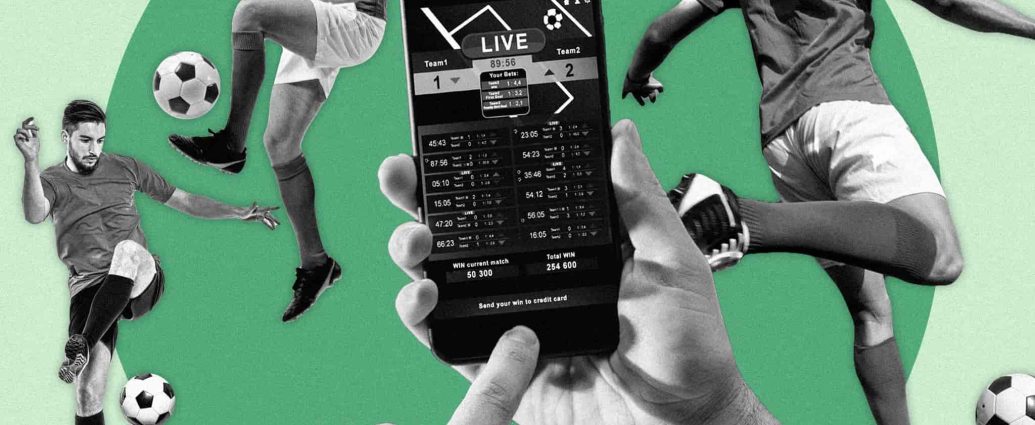
Jason’s situation didn’t spiral until recently, when mobile gambling became part of his daily routine. That’s when gambling on his phone became easy and accepted by others.
In the U.S. this century, gambling has gained acceptance. It has moved beyond Atlantic City and Las Vegas and has become part of everyday life. Gambling ads are everywhere, and over 20 states have casinos now. Back in 2001, only nine states allowed them. About the same number have approved online sports betting, like 22Bet.
At the same time, growing numbers of people are pushing for the full legalization of online casino platforms. Politicians argue that legalizing gambling helps states earn extra money. It also lets the government oversee gambling better. This means they can assist people who have gambling problems. These arguments, and those against prohibition, are tough to challenge in theory. Still, it’s not clear if state agencies are committed to their oversight roles.
Gambling is everywhere.
With a few taps on a smartphone, anyone can slip into financial trouble. Experts now group online sports betting, virtual casinos, crypto trading, and day trading under the same umbrella of high-risk gambling behavior. They share the same underlying issues.
Recent data from the National Council on Problem Gambling shows a clear trend. Over 40% of adults aged 18 to 44 took part in online gambling last year. In contrast, only 21% of those aged 45-54 did the same. During the pandemic, over a fourth of these younger players gambled more.
Mobile access continues to expand rapidly. When New York launched legal mobile sports betting in January, it immediately reshaped the state’s gambling landscape. People placed a record $1.6 billion in online bets.
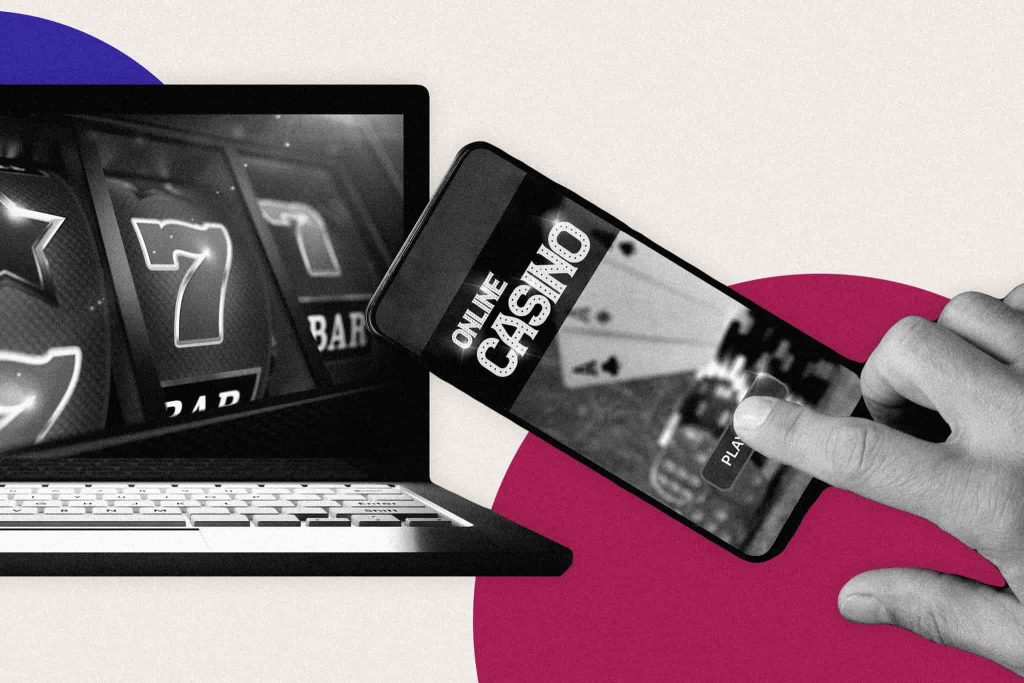
The launch set national records for first-month wagers. Yet, Ashley Owen, a team leader at the NYC Problem Gambling Resource Center, says many people still don’t see how serious gambling harm is. She says problem gambling is now harder to spot. More people are gambling privately on their phones. People with gambling problems tend to have fewer physical symptoms than those with substance abuse issues.
As mobile betting grows, people can now gamble discreetly from their own homes without anyone noticing. Owen noted that this has “altered the landscape significantly.”
“Everything being at your fingertips was terrible.”
“We call it the hidden addiction.
If you own a smartphone, virtually every form of gambling is instantly accessible.
Nick was underage at the time, but he easily bypassed the safeguards companies had in place. “Using my dad’s name worked without much effort,” he said. By his senior year, he was even placing bets on his laptop during class. In college, things got worse. He switched from online sports betting to a bookie he could text anytime.
“Trautman, a psychiatrist who treats gambling disorders, said the phone’s role is key in developing an addictive disorder.”
He said that many policymakers are still shaped by old moral and religious views on gambling.
Another factor is that legal sports betting has become politically attractive for lawmakers. Recent polls show that about 66% of Americans think sports betting should be legal. Also, the tax revenue from it could be significant. Illinois has made over $100 million.
This year alone, New York brought in $267 million in sports betting taxes, with the revenue earmarked for education programs and support services. It aims to prevent, treat, and aid recovery from problem gambling. But some view “sin taxes” as regressive.