
Roulette is one of the most iconic casino games, combining simplicity with strategic opportunities. While the game is largely based on chance, understanding probability and using smart betting techniques can improve decision-making and bankroll management. Knowledge of odds, bet types, and risk levels allows players to make informed wagers rather than relying solely on luck.
Roulette offers a variety of betting options, from straightforward red/black bets to complex combinations. Each choice carries different probabilities and potential payouts, so mastering these concepts is essential for strategic play.
Understanding Roulette Probability
Probability determines the likelihood of each outcome on the roulette wheel. European roulette has 37 numbers (0–36), while American roulette adds a double zero, increasing the house edge.
- Single-number bets: Offer a 35:1 payout but a low probability (2.7% in European, 2.63% in American roulette).
- Even-money bets: Red/black, odd/even, and high/low bets offer nearly 50% chance of winning but lower payouts (1:1).
- Column or dozen bets: Cover 12 numbers, offering moderate risk and 2:1 payouts.
Understanding these probabilities helps players assess risk versus potential reward and choose bets that align with their goals.
Smart Betting Strategies
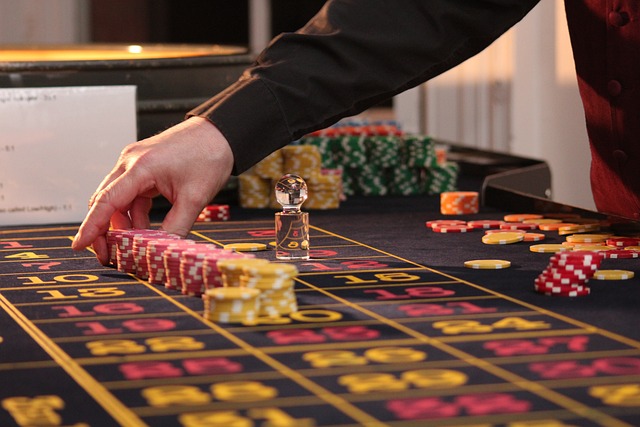
While no strategy can overcome the house edge, smart betting focuses on managing risk and maximizing playtime. Common approaches include:
- Flat Betting: Wagering the same amount consistently to reduce volatility and protect your bankroll.
- Martingale System: Doubling your bet after each loss to recover losses when a win occurs. Requires a large bankroll and carries high risk.
- Fibonacci System: Increasing bets based on the Fibonacci sequence, offering a slower progression than Martingale.
- Combination Bets: Spreading wagers across numbers, colors, or sections of the wheel to balance risk and potential reward.
Players should choose strategies that match their risk tolerance and bankroll size.
House Edge and Game Variations
The house edge is a critical factor in roulette. European roulette has a 2.7% house edge due to a single zero, while American roulette rises to 5.26% because of the double zero.
- European Roulette: Recommended for most players due to lower house advantage.
- American Roulette: Higher risk but often comes with similar payout structures.
- French Roulette: Offers “La Partage” or “En Prison” rules, reducing house edge on even-money bets.
Choosing the right game variant is a simple way to improve long-term odds.
Bankroll Management and Discipline

Smart betting in roulette relies on disciplined bankroll management:
- Set a loss limit and stick to it to avoid chasing losses.
- Allocate a fixed portion of your bankroll per session or per bet.
- Avoid betting emotionally or increasing stakes impulsively after losses.
These practices ensure sustainable play and reduce the impact of streaks or unexpected outcomes.
Conclusion
Roulette combines chance, probability, and strategy. Understanding the odds of different bets, choosing smart betting systems, and managing bankroll carefully can enhance your experience and prolong gameplay. While no method guarantees consistent wins, informed decisions help players maximize enjoyment and minimize risk.